
For a free, no obligation consultation,
call Seelig Law Offices at 212-766-0600 today.
Can You Get Disability for Long COVID Fatigue?
Can You Get Disability for Long COVID Fatigue?
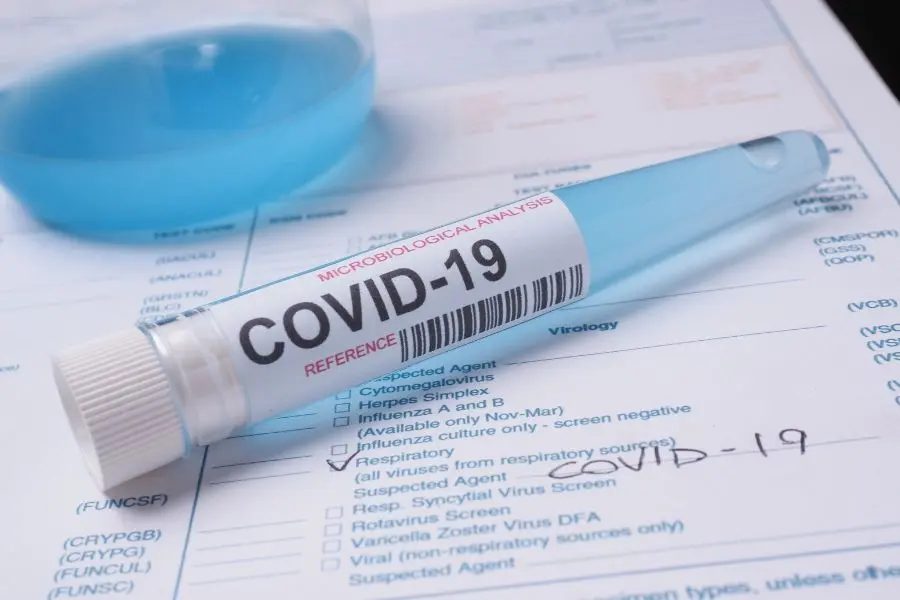
Can you get disability for long COVID? Yes, in some cases. Chronic fatigue caused by COVID-19 can qualify for Social Security Disability Insurance (SSDI) or Supplemental Security Income (SSI). It must be medically documented, severe, and expected to last at least 12 months. The Social Security Administration (SSA) looks at how the fatigue limits your ability to work.
Need legal assistance?
Call us at (212) 766-0600 24/7 to arrange to speak with a lawyer about your case, or contact us through the website today.
At Seelig Law Group, our disability attorneys represent people whose lives changed after a COVID-19 infection. For many, the fatigue never lifted. This post explains how the SSA and long term disability insurers review long COVID fatigue claims and what evidence helps.
Have questions about a disability claim for long COVID? Contact Seelig Law Group to talk with our disability attorneys.
Is Long COVID a Disability for Social Security Disability Insurance and SSI?
Long COVID can be a disability for SSDI and SSI, but there is no separate listing for it. The listings of impairments are the SSA’s list of conditions severe enough to qualify on medical grounds. Without a listing, the SSA looks at your specific symptoms, your test results, and how they limit you.
Long COVID can affect many parts of the body. Some people have lung or heart damage. Others have nerve problems, memory problems, or depression. The SSA may review those effects under the listings for each body system.
For many people, the main problem is fatigue. That fatigue can be harder to prove because it may not show up on standard tests.
Does Chronic Fatigue Syndrome After COVID-19 Qualify for SSDI or SSI?
It can. Some people develop chronic fatigue syndrome after COVID-19. The condition is also called myalgic encephalomyelitis, or ME/CFS. The SSA has guidance for chronic fatigue syndrome claims. It requires a diagnosis from a doctor and medical signs or test results that support it, not just your report of being tired.
Evidence the SSA may look for includes:
- Severe fatigue that does not improve with rest
- Symptoms that get worse after physical or mental effort, often called post exertional malaise
- Memory, focus, or thinking problems documented over time
- Dizziness or a racing heart when standing, confirmed by testing
- Sleep problems confirmed by a sleep study
- Muscle or joint pain, sore throat, or swollen lymph nodes noted by your doctor
Your records should show these findings over many months. One visit is rarely enough to prove a long term condition.
What Medical Evidence Helps a Long COVID Fatigue Disability Claim?
Strong long COVID claims connect your COVID-19 infection to your ongoing symptoms. The SSA wants to see a record of the infection, a diagnosis of long COVID or a related condition, and steady treatment since then. Test results and a detailed treating source opinion can make the claim clearer.
Helpful evidence may include:
- A positive COVID-19 test or a doctor’s record of the infection
- Notes from a long COVID clinic, if you have been seen at one
- Results from heart, lung, or tilt table testing
- Results from memory or thinking tests
- Records of each treatment you tried and how it worked
- A treating source opinion that explains your work related limits
- Statements from family or former coworkers about changes they have seen
A treating source opinion is a statement from a doctor who treats you. It should explain how long you can stand, sit, or focus, and how often you would miss work.
Why Does the 12 Month Rule Matter for Long COVID Disability Claims?
The SSA only pays benefits for conditions that have lasted, or are expected to last, at least 12 months. Some people recover from long COVID within a year. Others do not. Your records should show that your symptoms have continued over time, or that your doctor expects them to continue.
The alleged onset date is the date you say your disability began. For long COVID, it is often tied to the date of the infection or the date you stopped working. Records from that time help support the date.
If you have SSDI, your date last insured also matters. That is the last date you can qualify based on your work history. Your disability must have started before that date.
How Does the Residual Functional Capacity Finding Affect a Long COVID Claim?
The residual functional capacity finding is a written summary of the most you can still do despite your limits. For long COVID fatigue, the key limits often involve stamina, focus, and attendance. If those limits rule out your past work and other jobs, you may qualify for benefits.
Long COVID limits may include:
- Needing to lie down or rest during the day
- Trouble standing or walking for long periods
- Being off task because of brain fog or poor focus
- Crashes after activity that leave you unable to work for days
- Missing two or more days of work a month
The SSA then looks at your age, education, and past work. A vocational expert may testify about whether jobs exist for someone with your limits.
Can I Get Long Term Disability Benefits for Long COVID Fatigue?
Possibly. Many people with long COVID have long term disability coverage through work or a private policy. Insurers often question fatigue claims because test results may look normal. Some group plans limit benefits for conditions based mostly on self reported symptoms. Whether that limit applies depends on your policy language and your medical records.
Insurers may order a functional capacity evaluation. That is a test of your physical abilities over a few hours. A one day test may miss the crashes that come after activity. Testing over two days can show that pattern more clearly.
Insurers may also rely on peer reviews, surveillance, or social media. Many require you to apply for SSDI and then reduce your benefit by the SSDI amount. That reduction is called an offset.
Is Long COVID Also a Disability Under the Americans with Disabilities Act?
Long COVID can count as a disability under the Americans with Disabilities Act when it substantially limits a major life activity. That law protects workers from job discrimination. It is separate from disability benefits. Qualifying under one does not mean you qualify under the other.
The Americans with Disabilities Act may let you ask your employer for changes, such as remote work or a reduced schedule. Disability benefits, on the other hand, are for people who cannot keep working.
Records of any job changes you asked for can help a benefits claim. They can show that you tried to keep working before your condition made it too hard.
How Do Our Disability Attorneys Handle SSDI, SSI, and Long Term Disability Claims for Long COVID?
Our disability attorneys focus on building a clear record of how long COVID fatigue limits your ability to work. Our team gathers your medical records, test results, and treatment history. Then our attorneys work with your doctors on detailed opinions and present your claim at each stage of the process.
- Review your records for a clear link between COVID-19 and your symptoms
- Identify testing that can support fatigue and post exertional malaise
- Request treating source opinions about stamina, focus, and attendance
- Challenge vocational expert testimony that ignores your limits
- Handle reconsideration, the administrative law judge hearing, and later appeals
- Handle long term disability administrative appeals and offsets
No one can promise how the SSA or an insurer will decide a claim. Our focus is making sure the decision maker sees the full story of your long COVID and its effect on your life.
Contact Seelig Law Group About a Disability Claim for Long COVID Fatigue
If chronic fatigue after COVID-19 has made it hard to keep working, our disability attorneys can review your situation. Contact Seelig Law Group to talk about your Social Security Disability Insurance, Supplemental Security Income, or long term disability options.
Need legal assistance?
Call us at (212) 766-0600 24/7 to arrange to speak with a lawyer about your case, or contact us through the website today.
For Representation From Attorneys Dedicated To Providing The Highest Quality Representation To Clients, Contact Seelig Law Offices Today.


© 2026 Seelig Law Offices • All rights reserved.
Disclaimer | Site Map | Privacy Policy
Attorney Advertising | Prior results do not guarantee a similar outcome. The information on this website is for general information purposes only. Nothing on this site should be taken as legal advice for any individual case or situation. This information is not intended to create, and receipt or viewing does not constitute, an attorney-client relationship. This site is protected by reCAPTCHA and the Google Privacy Policy and Terms of Service apply.