
For a free, no obligation consultation,
call Seelig Law Offices at 212-766-0600 today.
Can Injured Construction Workers Get Disability Benefits?
Can Injured Construction Workers Get Disability Benefits?
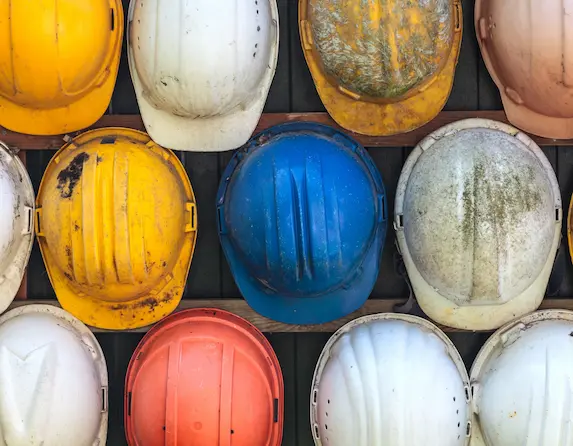
Yes. Construction worker disability benefits can come from several places at once. Social Security Disability Insurance (SSDI), workers’ compensation, long term disability insurance, and union or pension benefits may all apply. Each program has its own rules, and they often affect one another. The key is understanding how they fit together before you make decisions that are hard to undo.
Construction is hard on the body even on a good day. A fall from a ladder, a crush injury, or years of heavy lifting can end a career that a worker spent decades building. New York City’s Department of Buildings reported a rise in construction deaths in 2025, even as overall injuries dropped.
Need legal assistance?
Call us at (212) 766-0600 24/7 to arrange to speak with a lawyer about your case, or contact us through the website today.
At Seelig Law Group, our disability attorneys focus on the benefits side of a serious construction injury. That means SSDI, long term disability, and how both interact with workers’ compensation. This post walks through what may be available and what to watch for.
Hurt on a job site and unable to go back to work? Contact Seelig Law Group to talk with our disability attorneys.
What Kinds of Construction Injuries Lead to Disability Claims?
Construction injuries that lead to disability claims are often severe and long lasting. Falls are the leading cause of construction deaths nationwide, and they cause many serious injuries too. Other common causes include being struck by equipment, getting caught between objects, electrical accidents, and long term wear from heavy work.
The injuries that most often end construction careers include:
- Spinal cord injuries and back injuries
- Traumatic brain injuries from falls or falling objects
- Broken bones that don’t heal right, especially in the legs, hips, and pelvis
- Shoulder and knee damage from years of strain
- Amputations and crush injuries
- Burns and electrical injuries
- Lung disease from dust, silica, or asbestos exposure
- PTSD and depression after a traumatic accident
Many workers live with more than one of these at once. Disability decision makers have to look at all of your conditions together, not one at a time.
Can an Injured Construction Worker Get Social Security Disability Insurance?
Yes, if you meet the rules of the Social Security Administration (SSA). SSDI is for people who paid Social Security taxes and can no longer work because of a severe condition. The condition must last, or be expected to last, at least 12 months. It doesn’t matter whether the injury happened at work.
Many construction workers have a solid work history, which helps with the insurance side of SSDI. You generally need to have worked about five of the last ten years to stay insured.
The medical side is where claims are won or lost. The SSA wants to know what you can still do, not just what happened to you. A serious injury on paper doesn’t guarantee approval if the records don’t show lasting limits.
How Does Heavy Work History Help a Construction Worker’s SSDI Claim?
It can help a great deal, especially for older workers. The SSA uses the medical vocational guidelines, a set of rules that weigh your age, education, and past work alongside your physical limits. Construction work is usually classified as heavy or very heavy. If you can no longer do that kind of work, the rules may favor you.
The SSA asks whether you have transferable skills. Those are job skills you could use in a lighter, less demanding job. Many construction trades don’t transfer easily to desk work.
Here’s an example. A 55-year-old ironworker with a back injury may be limited to light work. If he has no skills that carry over to that kind of job, the rules can point toward disability. A 35-year-old with the same injury would face a tougher review, because the SSA expects younger workers to adjust.
What Is the Residual Functional Capacity Finding in a Construction Injury Claim?
The residual functional capacity finding is the SSA’s written summary of the most you can still do despite your limits. For construction workers, it usually focuses on lifting, standing, walking, climbing, bending, and using your hands. That finding often decides the claim.
Construction injury limits often include:
- Lifting no more than 10 or 20 pounds
- Standing or walking only a few hours a day
- No climbing ladders, scaffolds, or stairs
- No work at heights or around moving machinery
- Limited use of one arm or hand
- Needing to change positions often because of pain
A vocational expert usually testifies at the hearing about whether any jobs fit those limits. The more specific your doctor’s opinion, the more weight it can carry.
How Do Workers’ Compensation and SSDI Work Together for Construction Workers?
You can receive workers’ compensation and SSDI at the same time. But your combined benefits generally can’t go over 80 percent of your average earnings before you were hurt. If they do, the SSA reduces your SSDI. That reduction is called an offset.
Construction workers often earn good wages, which means the 80 percent limit can be fairly high. Still, the offset catches many people by surprise when their first SSDI payment is smaller than expected.
The offset continues until you reach full retirement age or your workers’ compensation payments stop. Report every workers’ compensation payment to the SSA to avoid an overpayment notice later.
Why Does Workers’ Comp Settlement Language Matter for SSDI?
If you settle your workers’ compensation case for a lump sum, the SSA spreads that money out over time to figure the offset. How the settlement agreement describes the payment can change how long and how much your SSDI is reduced. A few sentences can affect your benefits for years.
Wording that spreads the settlement over your expected lifetime can lower the monthly offset. Medical costs and attorney fees paid from the settlement may also be excluded.
Review settlement language for its SSDI effect before you sign. Once the agreement is final, it’s very hard to change.
Can Union Benefits or a Pension Affect Construction Worker Disability Benefits?
They can. Many union construction workers have disability benefits through a union fund or a pension plan. Those benefits usually don’t reduce SSDI, because they are private benefits. But they may require you to apply for SSDI, and some reduce their own payments when SSDI starts.
Read your plan documents carefully. Some union plans have their own definition of disability, separate from the SSA’s.
If your plan is governed by federal employee benefits law, it may have its own appeal process with strict deadlines. Missing a plan deadline can make it much harder to challenge a denial later.
Can Injured Construction Workers Get Long Term Disability Benefits?
Possibly. Some construction workers have long term disability coverage through an employer, a union, or a private policy. Whether you qualify depends on your policy language, your job duties, and your medical records.
Many policies first ask whether you can do your own occupation. Construction trades are physically demanding, so a serious injury often rules out your own work. Later, many plans switch to an any occupation test, which asks whether you can do any job that fits your training.
That switch is where many claims run into trouble. Insurers may argue you can do a seated job, even if you’ve never done one. Most long term disability policies also reduce benefits by SSDI and workers’ compensation payments.
What Evidence Helps a Construction Worker’s Disability Claim?
Strong claims combine medical records with clear proof of what your job required. The SSA and insurers need to understand both what you used to do and what you can do now. The gap between the two is the heart of the claim.
Helpful evidence may include:
- Accident reports and emergency room records
- Imaging, surgery records, and physical therapy notes
- Workers’ compensation medical reports and decisions
- A detailed description of your trade, tools, and the weight you lifted
- Union records showing your work history
- A treating source opinion that explains your work related limits
A treating source opinion is a statement from a doctor who treats you. It should spell out exactly what you can and cannot do, like how long you can stand or how much you can lift.
Is a Construction Accident Lawsuit Separate From Disability Benefits?
Yes. New York has strong safety laws for construction work, especially work done at heights. Depending on how you were hurt, you may have a personal injury claim against a property owner or contractor. That is a separate legal matter from SSDI, workers’ compensation, and long term disability.
A personal injury attorney handles those lawsuits. Our disability attorneys focus on the disability benefits side.
The two can affect each other, though. A lawsuit settlement may need to account for SSDI, Medicare, and workers’ compensation liens. Keeping all of your claims consistent helps protect each one.
What Happens if an Injured Construction Worker’s SSDI Claim Is Denied?
You can appeal. The steps usually include reconsideration, the administrative law judge hearing, Appeals Council review, and a federal district court appeal. You generally have 60 days to file each appeal.
Many claims are denied the first time. The hearing is often the first chance to explain your work and your injuries in person.
For long term disability denials, the first step is usually an administrative appeal with the insurer. The record built during that appeal is often what a court reviews later.
How Can Our Disability Attorneys Help Injured Construction Workers?
Our disability attorneys look at every disability benefit that may be available and how each one affects the others. Our team gathers your medical and work records, works with your doctors, and keeps your claims consistent. Then our attorneys present your SSDI and long term disability claims at each stage.
That includes reviewing workers’ compensation settlement language for its effect on SSDI. It also includes checking union and long term disability plans for offsets and deadlines. If you have a workers’ compensation or personal injury attorney, our team can work alongside them on the disability side.
No one can promise how the SSA or an insurer will decide. What our team can do is make sure your work history and your injuries are clearly laid out.
Contact Seelig Law Group About Disability Benefits After a Construction Injury
If a construction injury has ended your ability to work, our disability attorneys can review your situation. Contact Seelig Law Group to talk about your Social Security Disability Insurance and long term disability options.
Need legal assistance?
Call us at (212) 766-0600 24/7 to arrange to speak with a lawyer about your case, or contact us through the website today.
Sources
- Construction Safety Week Kicks Off in New York City (NYC Department of Buildings)
- Fall Prevention Campaign (Occupational Safety and Health Administration)
- How Workers’ Compensation and Other Disability Payments May Affect Your Benefits (Social Security Administration)
Attorney Advertising. This blog is for general information only and is not legal advice. Reading it does not create an attorney client relationship. Prior results do not guarantee a similar outcome.
For Representation From Attorneys Dedicated To Providing The Highest Quality Representation To Clients, Contact Seelig Law Offices Today.


© 2026 Seelig Law Offices • All rights reserved.
Disclaimer | Site Map | Privacy Policy
Attorney Advertising | Prior results do not guarantee a similar outcome. The information on this website is for general information purposes only. Nothing on this site should be taken as legal advice for any individual case or situation. This information is not intended to create, and receipt or viewing does not constitute, an attorney-client relationship. This site is protected by reCAPTCHA and the Google Privacy Policy and Terms of Service apply.