
For a free, no obligation consultation,
call Seelig Law Offices at 212-766-0600 today.
Can Injured Sanitation Workers Get Disability Benefits?
Can Injured Sanitation Workers Get Disability Benefits?
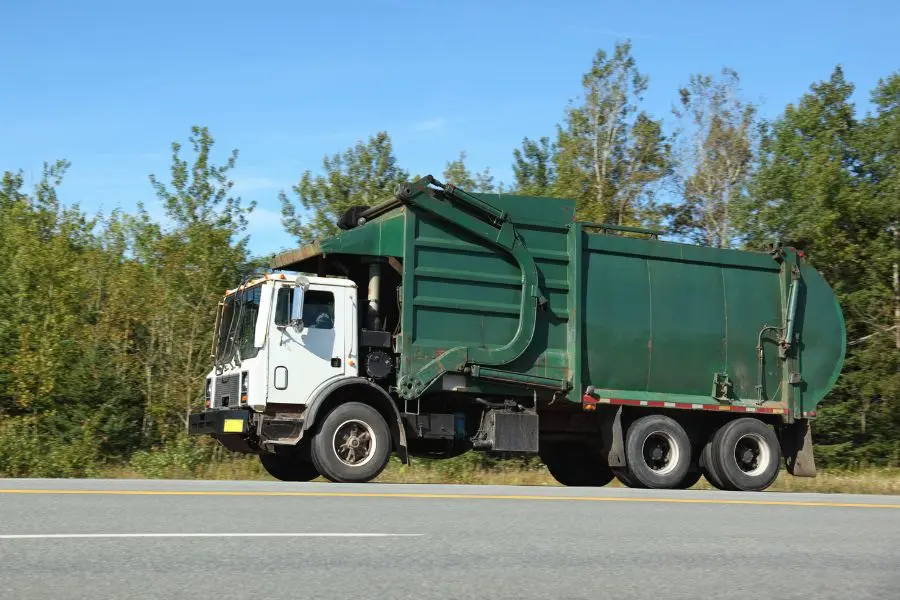
A sanitation worker injury can end a career in one moment or wear the body down over many years. Injured sanitation workers who can no longer work may qualify for Social Security Disability Insurance (SSDI). Long term disability, workers’ compensation, and pension benefits may also apply. Each program has its own rules.
Need legal assistance?
Call us at (212) 766-0600 24/7 to arrange to speak with a lawyer about your case, or contact us through the website today.
At Seelig Law Group, our disability attorneys represent people whose bodies can no longer handle the physical work they did for years. Refuse and recycling collection is regularly ranked among the most dangerous jobs in the United States. This post explains the risks sanitation workers face and which disability benefits may be available after an injury.
Have questions about disability benefits after a sanitation work injury? Contact Seelig Law Group to talk with our disability attorneys.
What On-the-Job Dangers Lead to Sanitation Worker Injury Claims?
Sanitation workers face traffic, heavy lifting, sharp objects, and harsh weather on every shift. Many injuries come from passing vehicles, truck equipment, or repeated lifting and twisting. Others come from exposure to chemicals, needles, or extreme heat and cold. Some injuries happen in a single accident. Others build up over years.
Common sanitation worker injuries include:
- Back, neck, and spine injuries from lifting and twisting
- Shoulder, knee, and hip damage from repeated strain
- Crush injuries and amputations from truck equipment
- Injuries from being struck by passing vehicles
- Cuts and needle stick injuries from hidden waste
- Breathing problems from dust, fumes, or chemicals
- Heat illness and cold related injuries
Many workers live with more than one of these conditions. Disability decision makers must look at all of your conditions together.
Can an Injured Sanitation Worker Get Social Security Disability Insurance?
Yes, if you meet the rules of the Social Security Administration (SSA). Social Security Disability Insurance is for people who paid Social Security taxes and can no longer work because of a severe condition. The condition must last, or be expected to last, at least 12 months. It does not matter whether the injury happened at work.
The SSA uses the five step sequential evaluation. That is its process for deciding whether you can do your past work or any other work. It starts by looking at your medical condition and then at your work history.
The SSA also creates a residual functional capacity finding. That is a written summary of the most you can still do despite your limits. For a sanitation worker, that finding often decides the claim.
How Do Age and Heavy Work History Affect an SSDI Claim for Sanitation Workers?
Age and work history matter a great deal in SSDI claims. The SSA uses the medical vocational guidelines, a set of rules that weigh your age, education, past work, and physical limits. Older workers with a history of heavy labor may qualify even if they could still do some light or seated work.
Sanitation work is usually classified as heavy or very heavy work. If your injury limits you to lighter work, the SSA asks whether you have transferable skills. Transferable skills are job skills you could use in a new, less demanding job.
Many sanitation workers have few skills that transfer to desk work. For workers age 50 and older, that can make a real difference. The SSA treats each age group differently.
How Do Workers’ Compensation and SSDI Work Together for Injured Sanitation Workers?
You may be able to receive workers’ compensation and SSDI at the same time. Workers’ compensation pays for job related injuries, no matter who was at fault. SSDI pays when you cannot work at all. When you get both, the SSA may reduce your SSDI so your combined benefits stay under a set limit.
That reduction is called an offset. How it works depends on the type of workers’ compensation benefits you receive and how a settlement is written.
If you are settling a workers’ compensation claim and also applying for SSDI, the wording of the settlement matters. Talk with our disability attorneys before you sign so you understand the effect on your SSDI.
Can a Sanitation Worker Get Long Term Disability or Pension Disability Benefits?
Possibly. Some sanitation workers have long term disability coverage through a union, an employer plan, or a private policy. Many who work for a city or town also have disability retirement through a pension system. Each benefit has its own application, deadlines, and medical standards.
Many long term disability policies first ask whether you can do your own occupation. Your own occupation is the type of work you did, as your policy defines it. Later, many plans switch to an any occupation test, which asks whether you can do any job that fits your training.
Insurers may reduce long term disability benefits by SSDI, workers’ compensation, or pension payments. Those reductions are also called offsets. Statements you make in one claim can be used in another, so keep your descriptions of your injuries and limits consistent.
What Evidence Helps a Sanitation Worker’s Disability Claim?
Strong claims rest on detailed medical records and clear proof of how your injury limits you. Accident reports, workers’ compensation records, imaging, and steady treatment notes all help. A treating source opinion can explain your specific limits on lifting, standing, walking, and bending.
Helpful evidence may include:
- Accident and injury reports from work
- Workers’ compensation medical records and decisions
- X-rays, MRIs, and surgery records
- Physical therapy and pain management notes
- A treating source opinion that explains your work related limits
- A detailed description of your job duties and the weight you lifted
A treating source opinion is a statement from a doctor who treats you. It should describe what you can and cannot do, and why.
What Happens if an Injured Sanitation Worker’s SSDI or Long Term Disability Claim Is Denied?
You can appeal. For SSDI, the steps usually include reconsideration, the administrative law judge hearing, Appeals Council review, and a federal district court appeal. For long term disability, the first step is usually the long term disability administrative appeal with the insurer. A federal court suit may follow.
Each step has a deadline. SSA deadlines are often 60 days. Long term disability appeal deadlines are often 180 days but depend on your plan.
At the administrative law judge hearing, a vocational expert may testify about what jobs you could still do. Clear evidence of your limits can shape that testimony.
How Do Our Disability Attorneys Help Injured Sanitation Workers?
Our disability attorneys look at every benefit that may be available and how each one affects the others. Our team gathers your records, works with your doctors, and keeps your claims consistent. Then our attorneys present your SSDI and long term disability claims at each stage of the process.
- Review your work record, policies, and pension benefits for offsets
- Gather accident reports, medical records, and workers’ compensation records
- Document the heavy demands of your past work
- Request treating source opinions about lifting, standing, and other limits
- Review workers’ compensation settlement terms for their effect on SSDI
- Handle SSDI appeals and long term disability administrative appeals
No one can promise how the SSA or an insurer will decide a claim. Our focus is making sure the decision maker sees the full story of your injuries and their effect on your life.
Contact Seelig Law Group About Disability Benefits for Injured Sanitation Workers
If an injury has ended your career in sanitation, our disability attorneys can review your situation. Contact Seelig Law Group to talk about your Social Security Disability Insurance and long term disability options.
Need legal assistance?
Call us at (212) 766-0600 24/7 to arrange to speak with a lawyer about your case, or contact us through the website today.
For Representation From Attorneys Dedicated To Providing The Highest Quality Representation To Clients, Contact Seelig Law Offices Today.


© 2026 Seelig Law Offices • All rights reserved.
Disclaimer | Site Map | Privacy Policy
Attorney Advertising | Prior results do not guarantee a similar outcome. The information on this website is for general information purposes only. Nothing on this site should be taken as legal advice for any individual case or situation. This information is not intended to create, and receipt or viewing does not constitute, an attorney-client relationship. This site is protected by reCAPTCHA and the Google Privacy Policy and Terms of Service apply.