
For a free, no obligation consultation,
call Seelig Law Offices at 212-766-0600 today.
Can Retired 9/11 First Responders Still Qualify for SSDI?
Can Retired 9/11 First Responders Still Qualify for SSDI?
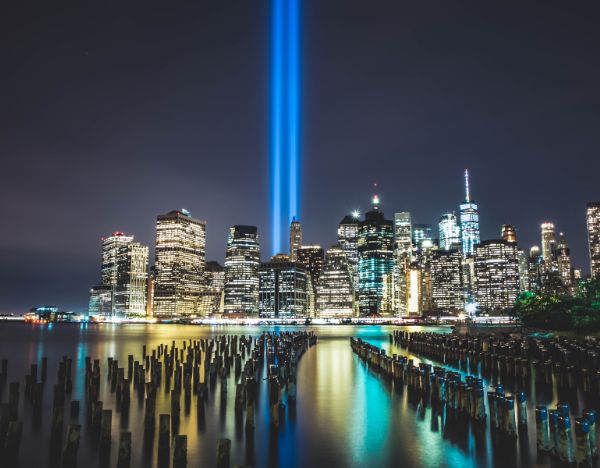
Yes, many can. Retiring from the NYPD, FDNY, or another agency does not rule out Social Security Disability Insurance (SSDI). What matters is whether you are still insured under Social Security and whether your 9/11 related illness keeps you from working. A pension, a World Trade Center Health Program enrollment, or a Victim Compensation Fund award does not stop you from applying.
Need legal assistance?
Call us at (212) 766-0600 24/7 to arrange to speak with a lawyer about your case, or contact us through the website today.
More than two decades later, the health effects of the World Trade Center site are still showing up. Cancers, lung disease, acid reflux, and PTSD often appear years after retirement.
At Seelig Law Group, our disability attorneys help 9/11 first responders figure out whether SSDI is still on the table. Our team also looks at how it fits with the benefits they already receive.
Retired, sick, and unsure whether SSDI applies to you? Contact Seelig Law Group to talk with our disability attorneys.
Does Retiring From a First Responder Job Affect SSDI Eligibility?
Retirement itself doesn’t disqualify you. SSDI asks two questions: are you insured, and are you disabled? Your pension status doesn’t answer either one. But the date you stopped working can matter a great deal, because your insured status doesn’t last forever.
New York City police officers and firefighters generally pay into Social Security. So do many other public safety workers in the state. Those years of work count toward SSDI.
Many responders also took second jobs after retiring. That later work can extend your insured status, which may help if your illness showed up years after you left the department.
What Is the Date Last Insured for Retired 9/11 Responders?
The date last insured is the last date you can qualify for SSDI based on your work history. Most people stay insured for about five years after they stop working. After that, you have to prove your disability began before that date.
This is where many retired responders run into trouble. Someone who retired in 2015 and stopped working entirely may have lost insured status around 2020. If the illness kept them from working before then, the claim can still move forward. If not, SSDI may be out of reach.
Your Social Security statement, available through a my Social Security account, shows your work credits. Check it before you assume you are covered, or that you aren’t.
Which 9/11 Related Conditions Can Support an SSDI Claim?
Any condition severe enough to keep you from working for at least 12 months can support an SSDI claim. For 9/11 responders, that often includes cancers, chronic lung and airway diseases, and heart problems. Acid reflux disorders, PTSD, and depression are common too.
Many responders live with several of these at once. The Social Security Administration (SSA) has to look at all of them together, not one at a time.
Some cancers may be severe enough to qualify quickly. The SSA keeps a list of compassionate allowance conditions that get faster review.
Does Being Certified by the World Trade Center Health Program Help an SSDI Claim?
It helps, but it isn’t enough on its own. The World Trade Center Health Program certifies that a condition is linked to 9/11 exposure and covers treatment. The SSA doesn’t care where an illness came from. It cares how badly the illness limits your ability to work.
Still, the program’s records can be some of your strongest evidence. Regular monitoring, lung function tests, imaging, and treatment notes all build a clear picture over time.
Ask your program doctors to describe your limits in writing. A statement about how far you can walk or how often you need to rest can go a long way.
Can You Get SSDI and a 9/11 Disability Pension at the Same Time?
Usually, yes. If your job paid into Social Security, a disability pension from that job generally does not reduce your SSDI. A pension approval doesn’t guarantee SSDI either, because the two programs use different standards.
New York pension systems have special rules for 9/11 related conditions. Those rules can make a disability pension easier to get. SSDI has no such shortcut, so the medical evidence has to stand on its own.
If you also have long term disability coverage, check your policy. Many policies reduce benefits by both pension and SSDI payments.
How Does SSDI Interact With the September 11th Victim Compensation Fund?
The two programs work together in a few ways. The Victim Compensation Fund can use an SSA disability finding as support for a lost earnings claim. It may also reduce certain award amounts based on other benefits you receive, including Social Security disability payments.
Timing and paperwork matter. If you are pursuing both, keep your descriptions of your health and work history consistent across every filing.
A Victim Compensation Fund award does not end SSDI. Supplemental Security Income (SSI), which is needs based, is a different story, since a large award can affect eligibility.
What if You Are Between 62 and Full Retirement Age?
You may still be able to apply for SSDI. SSDI pays your full benefit amount, while early retirement benefits are reduced for life. If your 9/11 illness keeps you from working, SSDI can be the better path until you reach full retirement age.
Once you reach full retirement age, SSDI converts to regular retirement benefits at the same amount. You can’t apply for SSDI after that point.
If you already took early retirement, you may still be able to file for SSDI. A successful claim can raise your payment for the months in between.
How Can Our Disability Attorneys Help Retired 9/11 First Responders?
Our disability attorneys start with the two questions that decide most of these claims. Are you still insured, and when did your illness stop you from working? From there, our team gathers your World Trade Center Health Program records and works with your doctors on detailed opinions.
If your claim was denied, our team handles reconsideration, the administrative law judge hearing, and later appeals. Our attorneys also look at how SSDI fits with your pension, long term disability coverage, and any Victim Compensation Fund claim.
No one can promise how the SSA will decide. What our team can do is make sure your service, your illness, and your timeline are clearly laid out.
Contact Seelig Law Group About SSDI for 9/11 First Responders
If you are a retired 9/11 first responder living with a World Trade Center related illness, our disability attorneys can review your situation. Contact Seelig Law Group to talk about your Social Security Disability Insurance options.
Need legal assistance?
Call us at (212) 766-0600 24/7 to arrange to speak with a lawyer about your case, or contact us through the website today.
Sources
- Congress Approves Full Funding for the World Trade Center Health Program (WBNG)
- Calculation of Loss (September 11th Victim Compensation Fund)
- World Trade Center Health Program (CDC)
Attorney Advertising. This blog is for general information only and is not legal advice. Reading it does not create an attorney client relationship. Prior results do not guarantee a similar outcome.
For Representation From Attorneys Dedicated To Providing The Highest Quality Representation To Clients, Contact Seelig Law Offices Today.


© 2026 Seelig Law Offices • All rights reserved.
Disclaimer | Site Map | Privacy Policy
Attorney Advertising | Prior results do not guarantee a similar outcome. The information on this website is for general information purposes only. Nothing on this site should be taken as legal advice for any individual case or situation. This information is not intended to create, and receipt or viewing does not constitute, an attorney-client relationship. This site is protected by reCAPTCHA and the Google Privacy Policy and Terms of Service apply.